

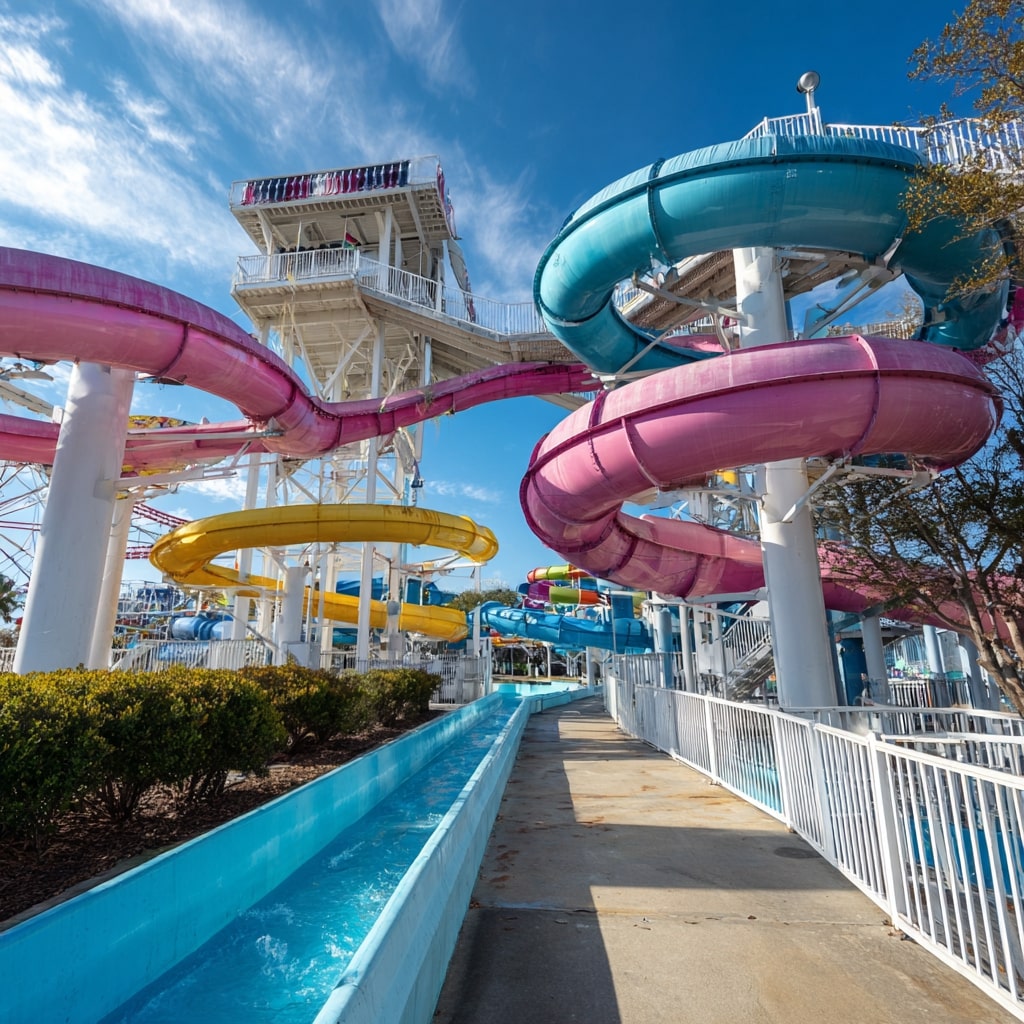
Amusement and water park injuries on the Mississippi Gulf Coast can result in serious legal claims when they’re caused by the park’s negligence, such as mechanical failures, poor maintenance, inadequate staff training, or unsafe conditions.
While parks have liability waivers, these don’t protect them from gross negligence, and you may be entitled to compensation for medical expenses, lost wages, and pain and suffering if the facility failed in its duty to keep you safe.
Mississippi law gives you three years to file a personal injury lawsuit, but acting quickly is crucial to preserve evidence and protect your rights. Under the state’s comparative negligence rule, you can still recover damages even if you were partially at fault, provided you were less than 50% responsible for the accident.
What Qualifies as an Amusement or Water Park Injury
When you visit a park, you accept certain risks, but you don’t sign up to be harmed by someone else’s carelessness. An injury only qualifies for a legal claim if it was caused by the park’s negligence.
Premises liability is the legal concept that property owners must take reasonable steps to keep their visitors safe from harm. This means parks have a duty to inspect their property, fix dangerous conditions, and warn guests about potential hazards.
Not every accident is grounds for a lawsuit. A minor scrape from losing your balance is different from an injury caused by a hazard the park should have fixed.
- Qualifying injury: Suffering a concussion after being thrown from a ride that malfunctioned due to poor maintenance
- Non-qualifying injury: Getting a small scratch after tripping over your own feet on a clear, flat walkway
- Qualifying injury: Breaking a bone after slipping on a large puddle in a poorly drained area with no warning signs
- Non-qualifying injury: Feeling dizzy after choosing to ride a spinning attraction despite posted health warnings
If you’re unsure whether your injury was a simple accident or the result of negligence, a water park accident lawyer can help you understand your rights.
Common Causes of Amusement and Water Park Injuries
Most park accidents are preventable and happen when safety takes a backseat to profits or convenience. Understanding these common causes can help you recognize when a park may have failed in its duty to protect you.
Mechanical failures often stem from worn-out parts, design flaws, or improper maintenance schedules. When parks skip routine inspections or use cheap replacement parts, rides can malfunction without warning.
Operator error is another major cause of accidents. Ride operators who are distracted, poorly trained, or fail to enforce safety rules can cause serious harm to guests.
Poor facility maintenance creates slip and fall hazards throughout the park. Wet floors without warning signs, broken handrails, and loose boards on walkways put visitors at unnecessary risk.
- Inadequate staff training: Employees who don’t know how to operate equipment safely or respond to emergencies
- Lack of proper warnings: Missing or unclear signs about pool depth, ride restrictions, or health conditions
- Overcrowding: Allowing too many people in pools or on rides beyond safe capacity limits
- Chemical imbalances: Improperly treated water that can cause burns, infections, or respiratory problems
Common Injuries After Theme and Water Park Accidents
The force and speed involved in many amusement park attractions can lead to significant harm. After an accident, you may not realize the full extent of your injuries right away because adrenaline can mask pain.
Head injuries are among the most serious, including concussions and traumatic brain injuries from forceful rides or falls. These injuries can have long-lasting effects on your memory, concentration, and daily functioning.
Neck and back injuries such as whiplash from sudden stops or herniated discs are common on high-speed rides. Water slides can cause similar injuries when riders hit the sides or bottom of the slide unexpectedly.
Drowning and near-drowning incidents occur when lifeguards are inattentive or pools lack proper safety equipment. Even strong swimmers can struggle in wave pools or areas with strong currents.
- Broken bones or fractures: From falls or being thrown against part of a ride
- Lacerations and deep bruises: From exposed sharp objects or impacts with ride components
- Chemical burns or infections: From improperly treated water in pools and slides
- Soft tissue injuries: Sprains, strains, and muscle tears from sudden movements
Documenting your injuries with a medical professional is critical if you later need to speak with a theme park injury attorney.
Who Is Liable for a Park Accident on the Mississippi Gulf Coast
Determining who is responsible for your injury is a key part of your claim. In legal terms, the responsible party is the one who had a “duty of care” to keep you safe and failed to do so.
Park owners and operators have the primary duty to inspect and maintain the property, train staff properly, and warn visitors of known dangers. They’re responsible for creating and enforcing safety policies throughout their facility.
Ride and equipment manufacturers can be held liable under product liability laws if an injury is caused by a design or manufacturing defect. This includes faulty safety restraints, structural weaknesses, or inadequate warning systems.
Third-party vendors sometimes handle maintenance or safety inspections for parks. If their negligence caused the accident, they could share responsibility for your injuries.
Government entities that own city or state parks can still be held responsible, though special rules apply to claims against government properties.
What Are Amusement Ride Safety Standards
Amusement parks in Mississippi must follow specific safety standards set by state law and industry organizations. These rules are not suggestions – they are requirements designed to protect the public.
State inspection requirements mandate regular safety checks of all rides and attractions. Parks must keep detailed maintenance logs and ensure all equipment meets current safety standards.
Industry standards cover everything from daily ride inspections and staff training protocols to the structural integrity of water slides. These standards also require specific safety equipment like life preservers, emergency stop buttons, and proper signage.
When a park violates these standards, it provides strong evidence of negligence in your injury claim. A water park injury lawyer will investigate whether a park complied with these crucial regulations.
Staff certification requirements ensure that ride operators and lifeguards receive proper training. Parks that cut corners on training put their guests at serious risk.
How We Build a Premises Liability Case for Water Parks
When you work with Maloney-Lyons Personal Injury & Car Accident Lawyers, your case is managed personally by David J. Maloney or T. Randall Lyons. Unlike other firms, you won’t be handed off to a junior associate or case manager.
We believe this direct attention from an experienced personal injury attorney is essential to building the strongest possible case for you. Our attorneys have handled numerous premises liability cases and understand the unique challenges of amusement park injury claims.
Our process begins with a thorough investigation into the circumstances of your accident. We gather all the facts and evidence needed to prove the park was at fault for your injuries.
Evidence We Use to Build Your Case
We obtain the park’s internal accident reports and inspection records, which can reveal known hazards or a history of similar incidents. These documents often show whether a park was aware of a dangerous condition but failed to fix it.
Maintenance records show whether a ride or area was properly maintained or if the park cut corners on safety. Missing maintenance logs or delayed repairs can be powerful evidence of negligence.
We interview witnesses who saw the accident to get a clear and unbiased account of what happened. Witness statements help corroborate your version of events and identify additional safety violations.
- Video footage: We secure surveillance footage from the park that may have captured the incident
- Expert testimony: We work with engineers and safety experts to analyze ride mechanics and identify the exact cause of failure
- Medical records: Complete documentation of your injuries and treatment to prove the extent of your damages
- Park policies: We review the facility’s safety procedures to show where they failed to follow their own rules
Do Liability Waivers Block Mississippi Water Slide Injury Claims
Many people believe that signing a liability waiver when entering a park means they have no legal rights if they get hurt. This is often not true.
Waivers may protect a park from liability for inherent risks, but they generally don’t cover injuries caused by gross negligence. Gross negligence is a reckless disregard for safety, such as knowingly operating a broken ride or ignoring obvious hazards.
In Mississippi, a parent or guardian cannot waive the legal rights of a minor child. If your child was injured at a water park, any waiver you signed on their behalf likely won’t prevent you from filing a claim.
Waivers with unclear language or that attempt to cover all possible injuries may be unenforceable. Courts often refuse to uphold waivers that are too broad or written in confusing legal language.
An experienced amusement park accident attorney can examine the waiver you signed and determine if it’s enforceable in your situation. Don’t assume a waiver automatically bars your claim.
What Compensation Can You Recover for Amusement Park Injuries
If you were injured due to a park’s negligence, you’re entitled to seek “full and fair compensation” for your losses. This compensation, also known as damages, covers all the ways the injury has impacted your life.
Medical expenses include all costs for hospital stays, doctor visits, surgery, physical therapy, and any future medical care you may need. This also covers prescription medications, medical equipment, and rehabilitation services.
Lost wages reimburse you for the income you lost while recovering and for any reduction in your future earning capacity. If your injury prevents you from returning to your previous job, you can seek compensation for that lost income.
Pain and suffering compensation addresses the physical pain, emotional distress, and loss of enjoyment of life caused by the injury. This includes compensation for ongoing pain, anxiety, depression, and inability to participate in activities you once enjoyed.
- Property damage: Reimbursement for personal items damaged in the accident, such as phones, glasses, or clothing
- Scarring and disfigurement: Additional compensation if your injury resulted in permanent scarring or physical changes
- Loss of consortium: Compensation for how the injury affected your relationship with your spouse
- Punitive damages: In cases of extreme negligence, additional damages meant to punish the wrongdoer
What Should You Do After a Water Park Injury
The moments after an accident can be confusing, but the steps you take are crucial for protecting your health and your legal rights. Acting quickly can make the difference between a successful claim and a denied one.
Report the Incident to Park Staff
Before you leave, file an official incident report with park management. Stick to the facts of what happened and avoid speculating about causes or accepting blame.
Request a copy of the report for your records. This document serves as official notice that an accident occurred and can be important evidence later.
Get Medical Care Right Away
Go to an emergency room or urgent care clinic immediately, even if you think your injuries are minor. Adrenaline can mask serious conditions like concussions or internal injuries that need prompt treatment.
Some injuries, particularly head injuries and internal bleeding, may not show symptoms for hours or days. Getting checked by a medical professional creates a record of your injuries and ensures you receive proper care.
Document Conditions and Hazards
Use your phone to take pictures and videos of the exact location where the injury occurred. Capture the hazard that caused it, such as a broken ride component, a slippery floor, or missing safety signs.
Take photos from multiple angles and include wider shots that show the surrounding area. Document any warning signs that were present or notably absent.
Save Wristbands, Tickets and Waivers
Keep your ticket stubs, wristbands, and any receipts from your visit. These items serve as proof that you were at the park on the day of the incident.
Don’t throw away any paperwork you received, including waivers, park maps, or safety information. These documents can be important evidence in your case.
Avoid Recorded Statements and Social Posts
Don’t give a recorded statement to the park’s insurance company without speaking to an attorney first. Insurance adjusters are trained to use your words to minimize or deny your claim.
Avoid posting about your accident on social media. Insurance companies often monitor social media accounts and can use your posts against you, even innocent ones.
Call Maloney-Lyons Personal Injury & Car Accident Lawyers
Contact an experienced personal injury attorney to discuss your case as soon as possible. We have offices in Biloxi and Mobile and are ready to help you understand your options.
The sooner you contact us, the better we can preserve evidence and protect your rights. Many pieces of evidence, such as surveillance footage, may be destroyed or recorded over if we don’t act quickly.
How Mississippi Law Impacts Your Case
Navigating a personal injury claim requires understanding specific state laws that can significantly affect your case outcome. Mississippi has several unique rules that impact amusement park injury claims.
Comparative Negligence in Mississippi
Mississippi uses a “comparative negligence” rule, which means you can still recover damages even if you were partially at fault for the accident. However, your compensation will be reduced by your percentage of fault.
As long as you’re found to be less than 50% responsible, you can still have a valid claim. For example, if you’re found 20% at fault and awarded $100,000, you would receive $80,000.
Statute of Limitations and Deadlines
In Mississippi, you generally have three years from the date of the injury to file a lawsuit. If you miss this deadline, you lose your right to seek compensation forever.
It’s vital to speak with an attorney long before this deadline approaches. Building a strong case takes time, and waiting too long can hurt your chances of success.
Claims Against Government-Owned Facilities
If your injury happened at a park owned by a city or county, you must follow the Mississippi Tort Claims Act. Under this law, you must file a formal “Notice of Claim” within one year of the incident.
This is a much shorter deadline than the standard statute of limitations, and missing it can end your case before it starts. Government claims also have special procedural requirements that must be followed exactly.
Why Hire a Biloxi Theme Park Injury Attorney
After an injury, the park’s insurance company will have a team of lawyers working to protect their interests. You deserve to have a dedicated advocate on your side fighting for your rights.
At Maloney-Lyons Personal Injury & Car Accident Lawyers, you get direct, personal attention from David J. Maloney or T. Randall Lyons. We don’t pass your case off to junior attorneys or case managers like larger firms do.
We’re committed to guiding you through both the legal process and your recovery. Our approach ensures you’re never just another file on someone’s desk.
Investigation and Expert Resources
We have the resources to conduct a comprehensive investigation, including hiring safety engineers and accident reconstruction experts to prove what went wrong. Our network of experts can analyze ride mechanics, review safety procedures, and identify code violations.
We also work with medical experts who can explain your injuries and prognosis to insurance companies and juries. This expert testimony is often crucial in securing full compensation.
How We Deal With Insurance Companies
We handle all communication with the insurance companies so you can focus on recovery. Our attorneys are skilled negotiators who fight back against lowball settlement offers and tactics designed to undervalue your claim.
Insurance companies know we’re prepared to take cases to trial, which often leads to better settlement offers. We never recommend accepting an offer that doesn’t fully compensate you for your losses.
Settlement Strategy and Trial Preparation
While most cases are resolved through settlement, we prepare every case as if it’s going to trial. This thorough preparation puts you in the strongest position to secure the compensation you deserve.
Our trial experience means we know how to present your case effectively to a jury if negotiations fail. This reputation helps us negotiate better settlements for our clients.
Injured? Get Legal Help Today
If you or a loved one was injured at an amusement or water park on the Mississippi Gulf Coast, don’t wait to get the legal help you need. Time is critical in preserving evidence and protecting your rights.
At Maloney-Lyons Personal Injury & Car Accident Lawyers, we’re dedicated to holding negligent parks accountable and helping injury victims across Mississippi, Alabama, Florida, and Georgia. Our attorneys have the experience and resources to take on large corporations and their insurance companies.
Contact our Biloxi or Mobile office today for a free, no-obligation consultation to discuss your case. We’re here to answer your questions and help you on the path to recovery while we handle the legal complexities of your claim.
Mississippi Gulf Coast Water Park Injury FAQ
Can I Still File a Claim if I Signed a Liability Waiver at the Water Park?
A waiver may not block your claim, especially in cases of gross negligence or if the waiver’s language is unclear or overly broad. It’s always best to have an attorney review the waiver to determine if it’s enforceable.
What Should I Do if My Child Was Injured at a Mississippi Water Park?
Parents can file a claim on behalf of their injured child, as waivers signed for minors are often unenforceable in Mississippi. Seek immediate medical attention and contact an attorney to protect your child’s rights.
How Long Do I Have to File a Water Park Injury Lawsuit in Mississippi?
You generally have three years from the date of the injury to file a lawsuit in Mississippi, but it’s critical to act much sooner to preserve evidence. Government-owned facilities have even shorter deadlines.
Will My Health Insurance Cover Water Park Injury Medical Bills?
Your health insurance may initially cover bills, but we seek full reimbursement for these and all other medical costs from the at-fault party. Don’t let concerns about medical bills prevent you from seeking treatment.
Can Visitors From Other States File Water Park Injury Claims in Mississippi?
Yes, your claim should be filed in Mississippi because that’s where the injury occurred, regardless of where you live. Mississippi law will typically govern your case.
Should I Accept Free Passes or Compensation Offered by the Water Park After My Injury?
You should not accept any offers from the park without first speaking to an attorney, as doing so could harm your right to full compensation. These offers are often made to limit the park’s liability.


